If you're facing a dull throb that's been building for days, Dentist Open Now lines up a Harbor Beach, MI provider who handles this exact procedure regularly — not as a side offering.
Call the number below and a scheduling coordinator finds you the next available specialist.
+1-866-227-2801 Call Now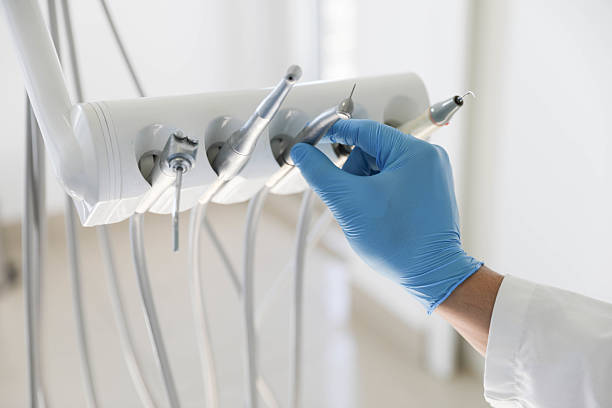
A root canal becomes necessary when the soft tissue inside a tooth — the pulp, containing nerves and blood vessels — becomes infected or inflamed, usually from deep decay or a crack reaching the tooth's interior. Cleaning out the infected tissue and sealing the canal system is what stops the infection from spreading to the bone around the root. Despite its reputation, most patients report the procedure itself feels similar to getting a routine filling.
Modern rotary instruments and digital apex locators let an endodontist clean the canal system more precisely than older hand-file methods. A crown is usually needed afterward, since a root-canaled tooth becomes more brittle and prone to fracture under normal biting force.
A tooth that's had a root canal no longer has a living nerve inside, which is part of why it can survive without the throbbing pain that brought you in. That's also why a treated tooth won't feel hot or cold sensitivity the way it used to — the nerve that registered that sensation is gone.
Cases involving curved or calcified canals are routed to a specialist experienced with that anatomy.
Electronic measurement pinpoints exact canal length, reducing repeat X-rays and guesswork.
Same-visit completion is common for teeth without complicating factors like severe curvature or infection.
Local anesthesia keeps the procedure comfortable, and post-treatment pain is typically mild and short-lived.
Our network specialists cover the full range of this procedure, from the routine case to the complicated one.
Removes infected pulp, cleans and shapes the canal, and seals it to prevent reinfection.
Addresses canals that were missed or incompletely sealed during an earlier procedure.
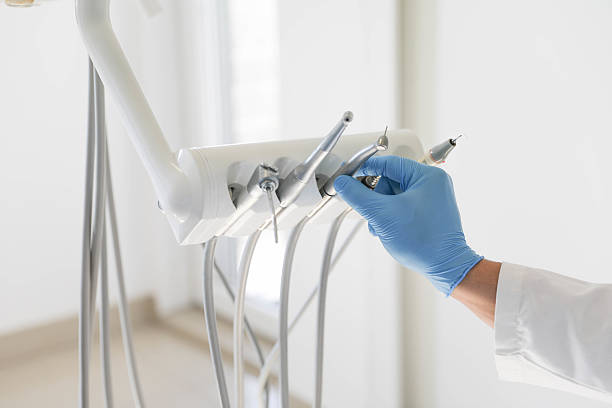
Back-tooth cases with complex canal anatomy are handled with extra imaging and time.
{A crown is fitted after canal treatment to protect the now-brittle tooth from fracturing.|Restores full chewing function and prevents the treated tooth from cracking under normal bite force.}
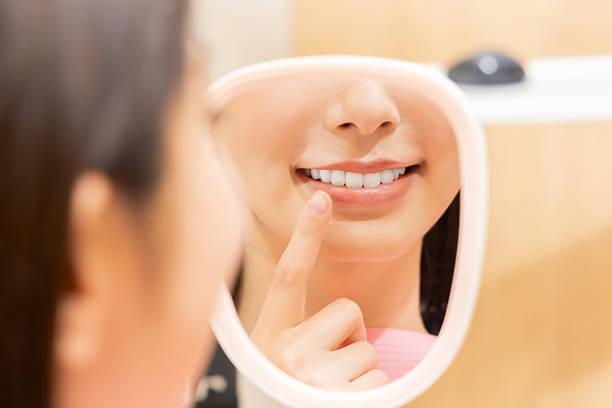
Severe pain or swelling from an infected pulp is treated urgently, often the same day.
Removes infected tissue at the very tip of the root when retreatment alone isn't enough.
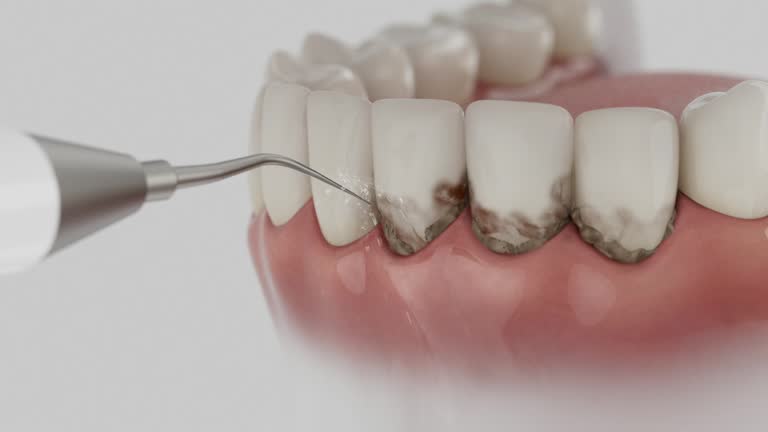
You describe what's going on; no automated menu, no long hold.
Based on your case and location in Harbor Beach, MI, we find a provider with room on the schedule soon.
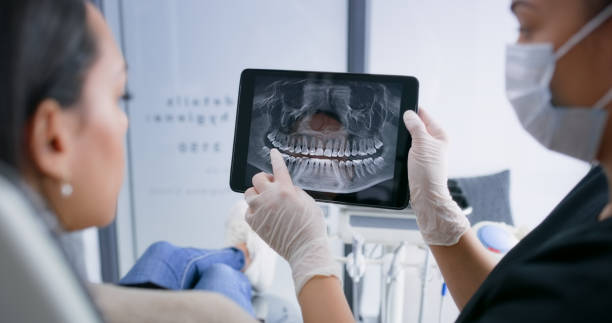
The specialist examines your case, often with same-visit X-rays, and gives you a cost estimate before starting anything.
You leave with the issue addressed and a plan for any next steps already scheduled.
"They walked me through the cost and the procedure before I agreed to anything. Appreciated that."
"Didn't have to wait weeks like my old dentist. Straight to a specialist who knew exactly what to do."
"Price they quoted on the phone matched the invoice exactly. No surprise charges."
The pain people associate with root canals is usually from the infection beforehand, not the treatment itself.
Many straightforward cases are completed in a single visit; complex cases may need two appointments.
A crown is typically recommended to protect the tooth from cracking under normal chewing pressure.
Untreated infection can spread to the jawbone and surrounding teeth, and the tooth is often eventually lost.
Occasionally reinfection occurs, which is treated with a retreatment procedure to reclean the canal.
Cost varies by tooth location and canal complexity — molars typically cost more than front teeth.
We keep an updated roster of specialists across Harbor Beach and the surrounding zip codes, so a nearby provider is already in our network.
Licensed to practice in MI, credential-checked before joining the network.
Call now and a real coordinator will match you with a specialist and a confirmed time.
Call +1-866-227-2801 Now